
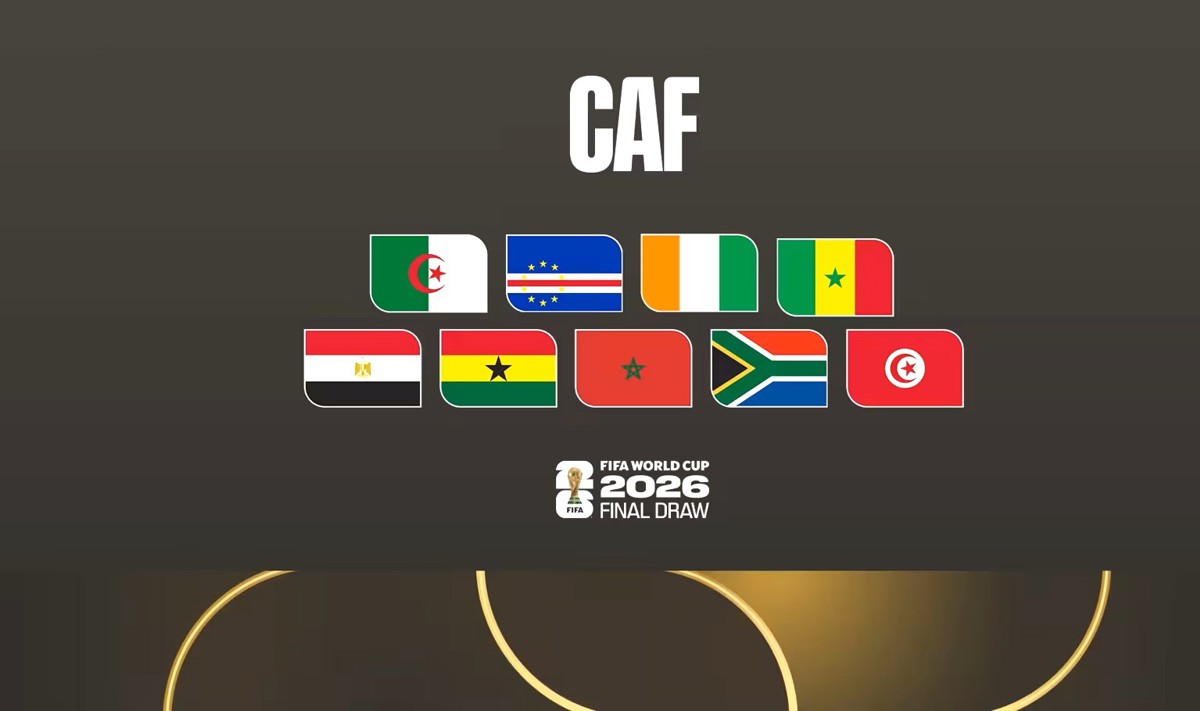

Africa’s nine qualified nations for the 2026 FIFA World Cup will discover their group-stage opponents on Friday, as the draw for the expanded 48-team tournament takes place in Washington D.C.
The ceremony, hosted at the Kennedy Center, begins at 7pm CAT (5pm GMT) and marks the first major milestone in the final build-up to a World Cup that will span Canada, the United States and Mexico between 11 June and 18 July 2026.
For African teams, the draw represents more than just the unveiling of opponents.
It signals the first step in a campaign that many believe could be the continent’s most promising in decades, coming after Morocco’s historic semi-final run at Qatar 2022 — the first by any African nation.
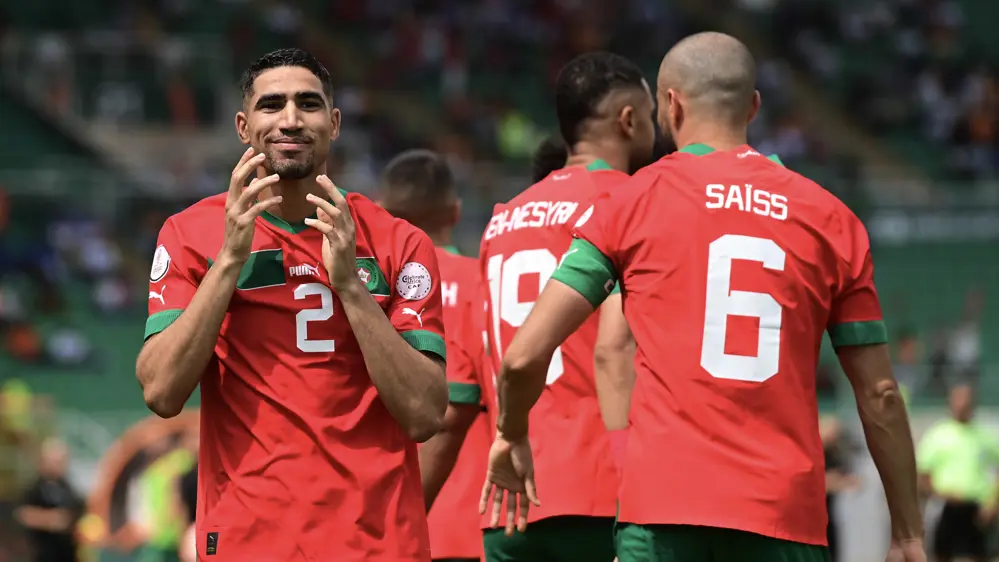
Nine African nations in the hat
Africa’s contingent is already confirmed: Morocco, Senegal, Algeria, Tunisia, Egypt, Côte d’Ivoire, Ghana, Cape Verde and South Africa all topped their qualifying groups and secured automatic places at the tournament.
Under the new 48-team format, the World Cup will feature 12 groups of four, with teams drawn from four seeded pots based on the latest FIFA rankings.
Crucially for African sides, FIFA’s geographic restrictions ensure no group may contain more than one CAF nation, removing the possibility of early all-African clashes and guaranteeing nine separate African representatives across the groups.
Morocco and Senegal, currently Africa’s highest-ranked teams, enter the draw in Pot 2, avoiding some of the continent’s toughest potential opponents and increasing their chances of a favourable path.
Five African nations — Algeria, Tunisia, Egypt, Côte d’Ivoire and South Africa — are placed in Pot 3, setting up the possibility of complex, highly competitive groups.
Meanwhile, Ghana and Cape Verde, both positioned in Pot 4, face the toughest draw conditions and are expected to be matched with a Pot 1 global powerhouse.
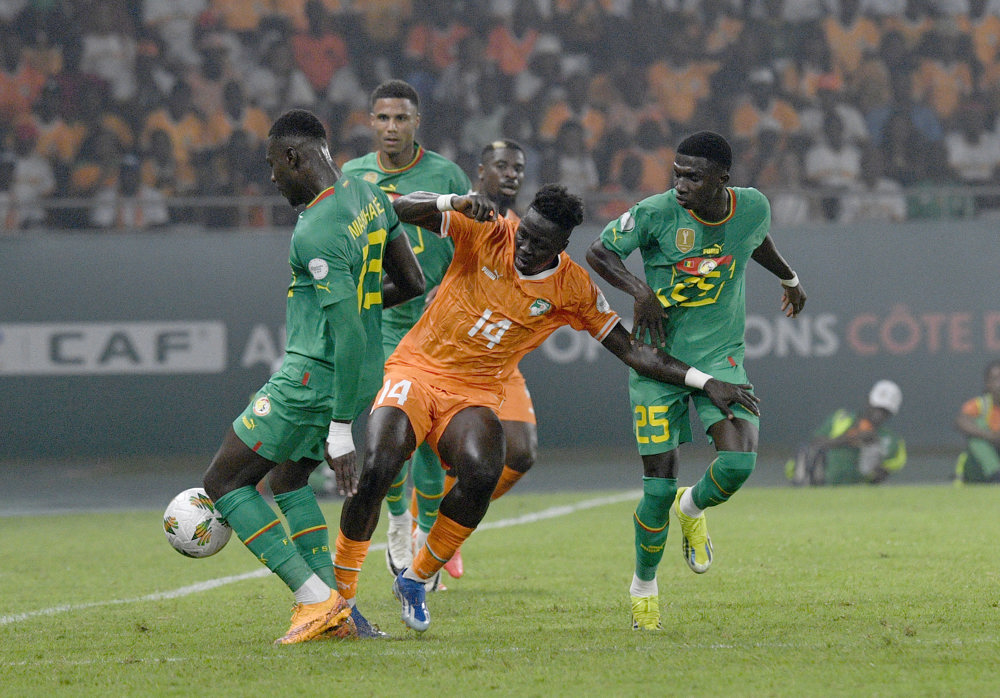
Formidable opposition lies ahead
Pot 1 contains the strongest nations at the tournament, including Germany, Brazil, France, Spain, England, Argentina and the three co-hosts — the United States, Mexico and Canada.
The presence of Europe’s heavyweights in every group guarantees difficult assignments, though African sides have increasingly shown an ability to compete with, and even surpass, world football’s elite.
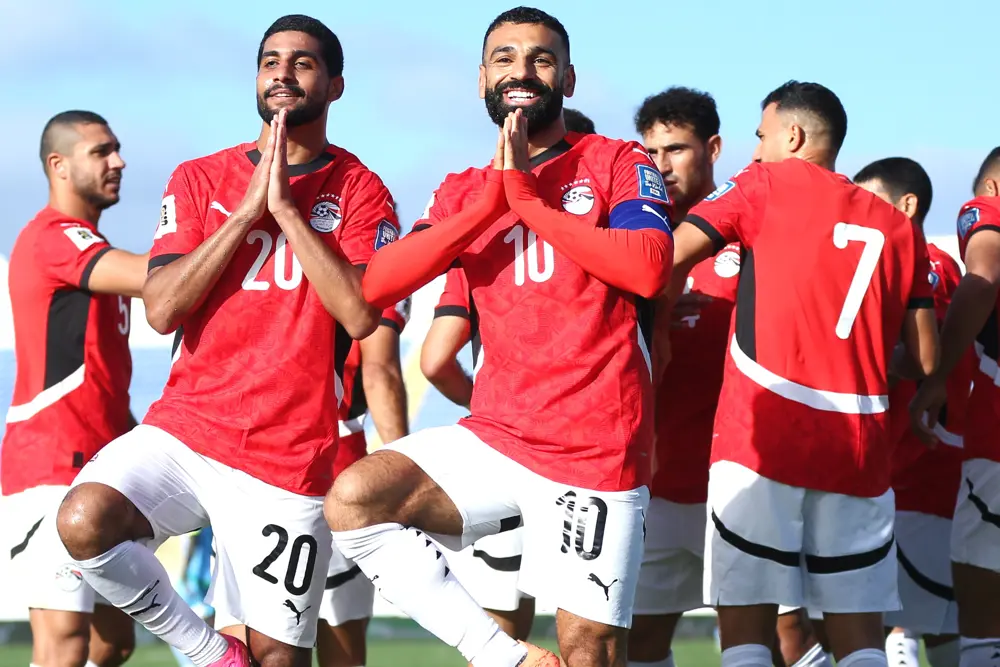
Morocco’s run to the last four at Qatar 2022 remains the clearest example, but Senegal, Tunisia and Ghana all made significant impressions at recent tournaments, and Côte d’Ivoire and Algeria carry squads brimming with top-level European experience.
Six places still open as play-offs loom
While 42 teams have already qualified, six World Cup spots remain undecided.
Four will come from the UEFA play-offs, featuring heavyweight nations such as Italy, Turkey, Sweden and Poland.
The remaining two places will be settled through the Intercontinental Play-Off Tournament in March, involving Jamaica, Bolivia, Suriname, New Caledonia, Iraq and DR Congo.
If Leopards qualify through the playoffs, they will be protected from facing any CAF nation in the group stage due to confederation separation rules.
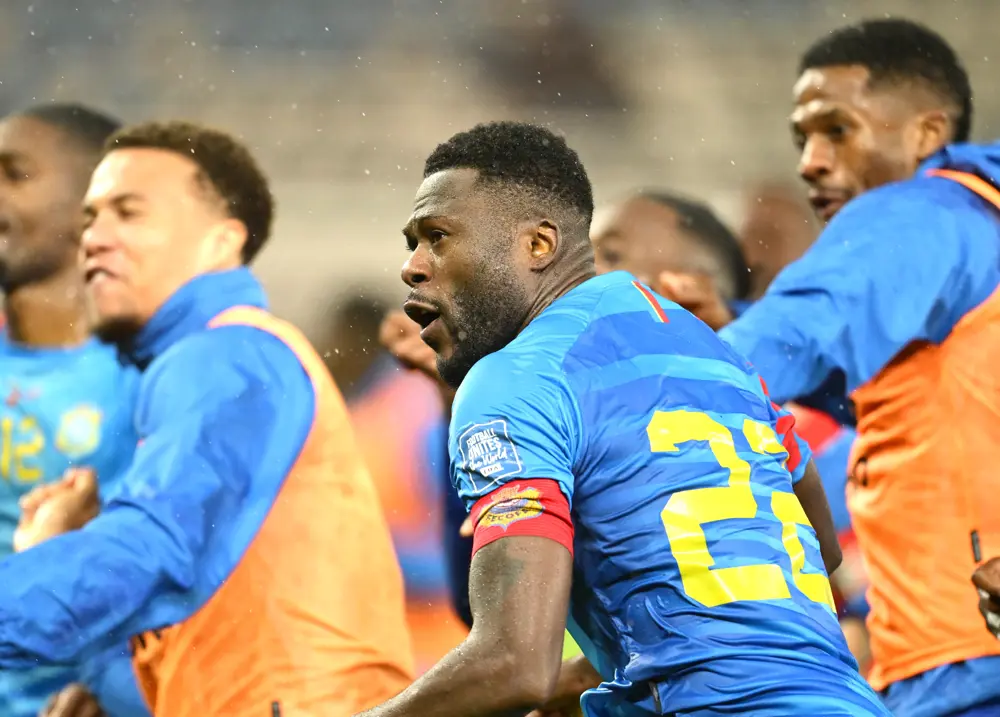
What African teams can expect today
The procedure follows standard FIFA format:
-
Teams are placed into four pots.
-
One team from each pot is drawn into each of the 12 groups (A–L).
-
The three host nations automatically take positions A1, B1 and D1.
-
Geographic restrictions apply for all confederations except UEFA, which may have up to two European teams per group due to its large number of qualifiers.
FIFA has also confirmed that the top four ranked teams worldwide — Spain, Argentina, France and England — will be separated across the draw to avoid meeting before the semi-final stage, provided they top their groups.
For African sides, the draw will determine not only their opponents but also their match venues, travel routes, rest periods and potential knockout pathways across a tournament hosted over three vast countries.
A pivotal moment for African football
With unprecedented squad depth across the continent and a World Cup format offering more places and more knockout berths, African football enters the draw with a renewed sense of possibility.
Whether Morocco can build on their 2022 heroics, or whether another African nation emerges as a surprise contender, will begin to take shape tonight when the 2026 World Cup map is finally revealed.
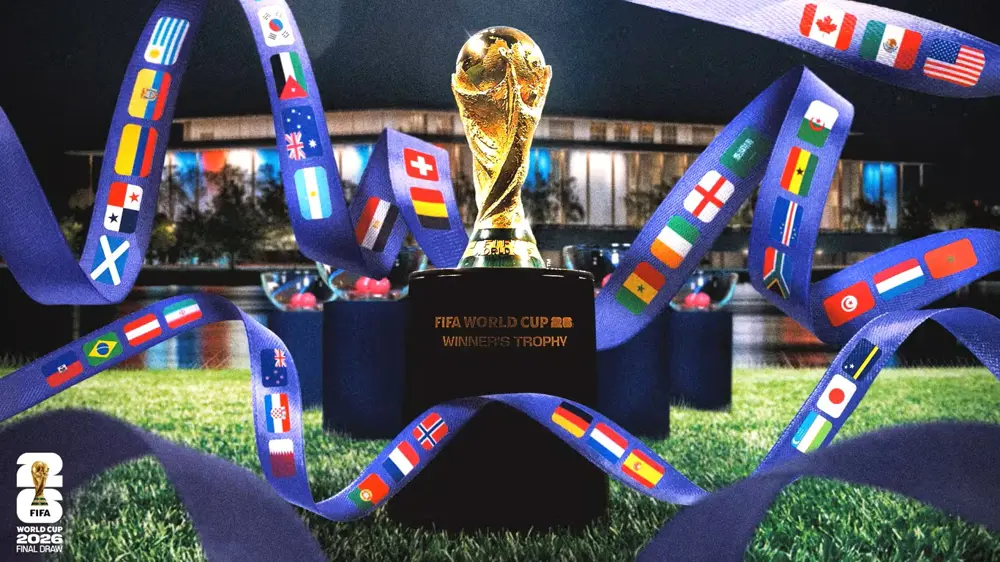
Below are the pots for the 2026 World Cup draw
Pot 1: France, Canada, Mexico, United States, Spain, Argentina, England, Brazil, Portugal, Netherlands, Belgium, Germany
Pot 2: Croatia, Morocco, Colombia, Uruguay, Switzerland, Japan, Senegal, Iran, Republic of Korea, Ecuador, Austria, Australia
Pot 3: Saudi Arabia, Norway, Panama, Egypt, Algeria, Scotland, Paraguay, Tunisia, Côte d’Ivoire, Uzbekistan, Qatar, South Africa
Pot 4: Jordan, Cape Verde, Ghana, Curaçao, Haiti, New Zealand, winners of European play-offs A, B, C and D, winners of intercontinental play-offs 1 and 2.