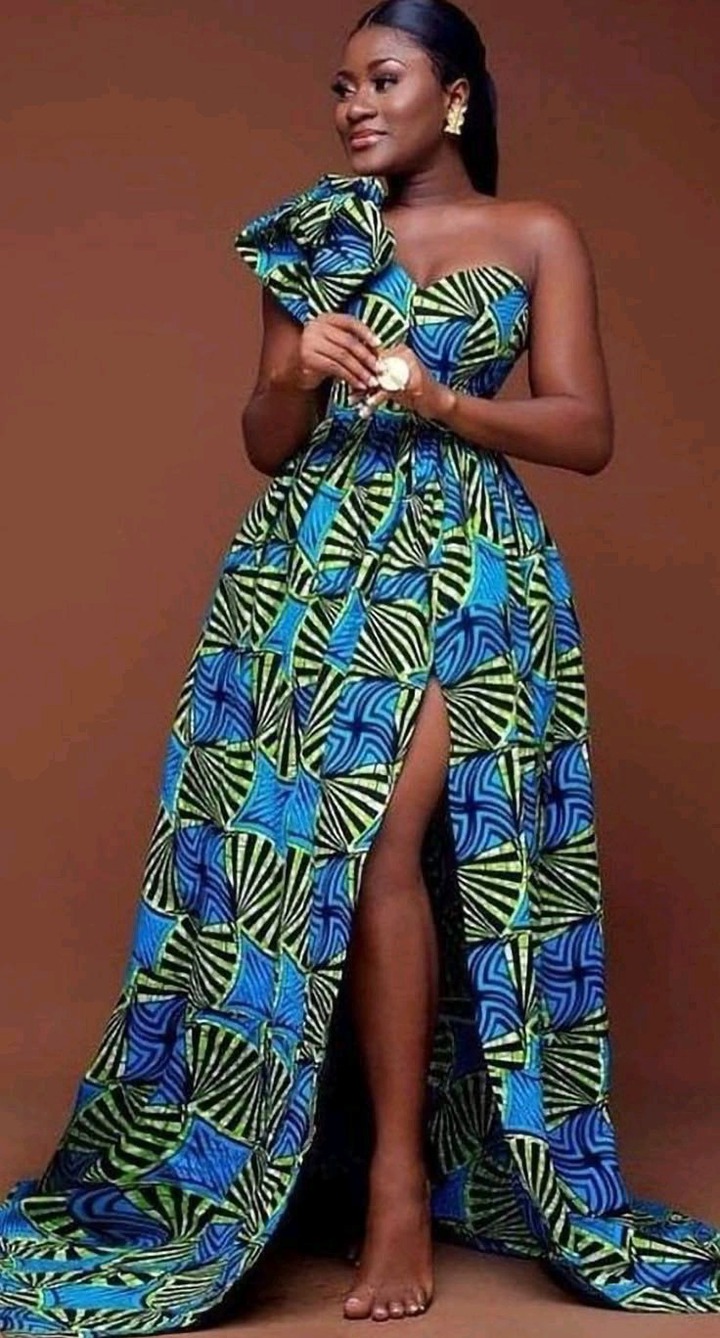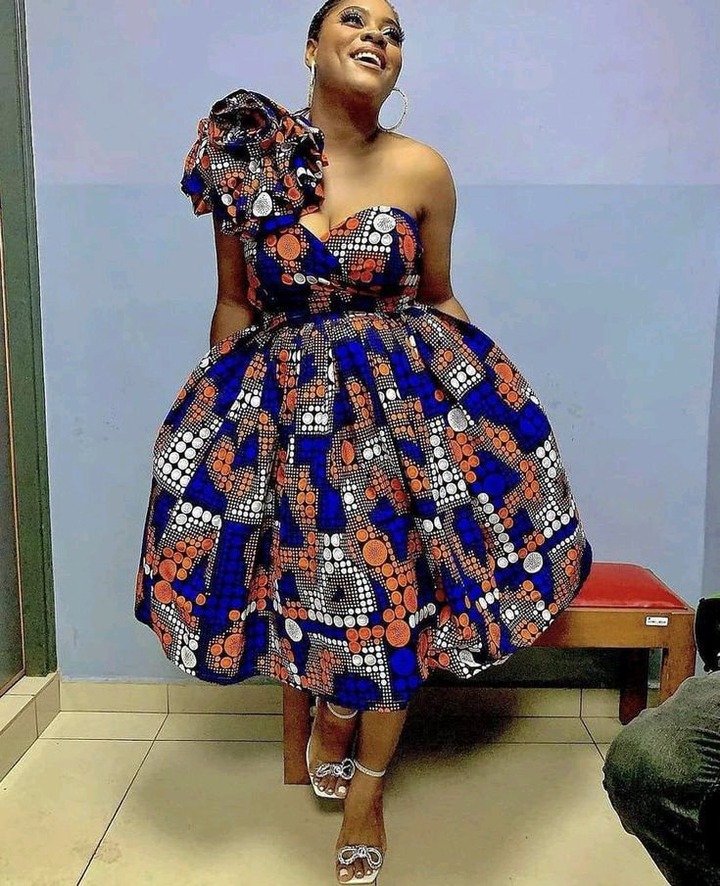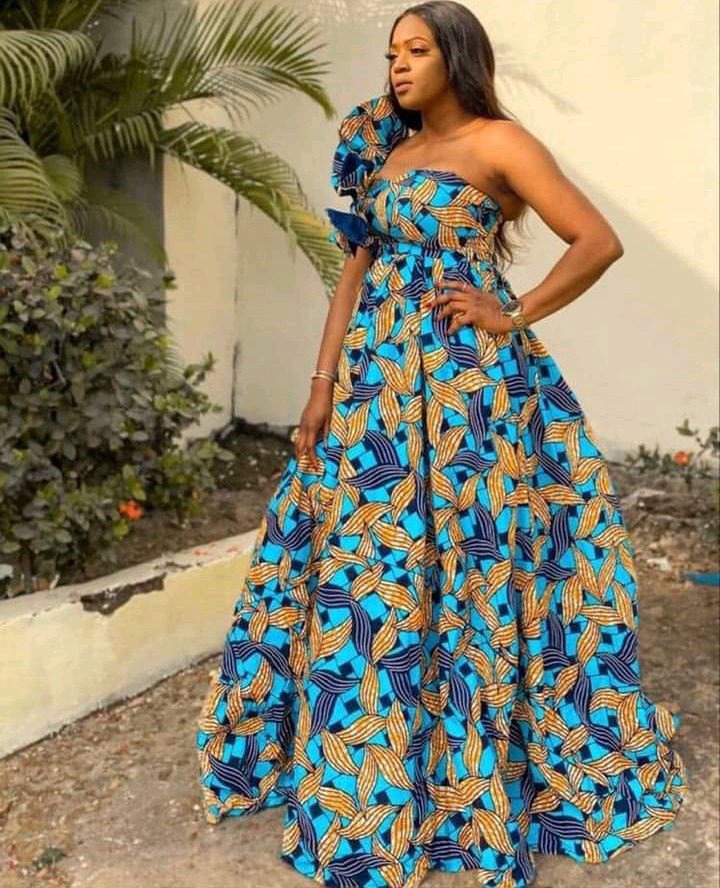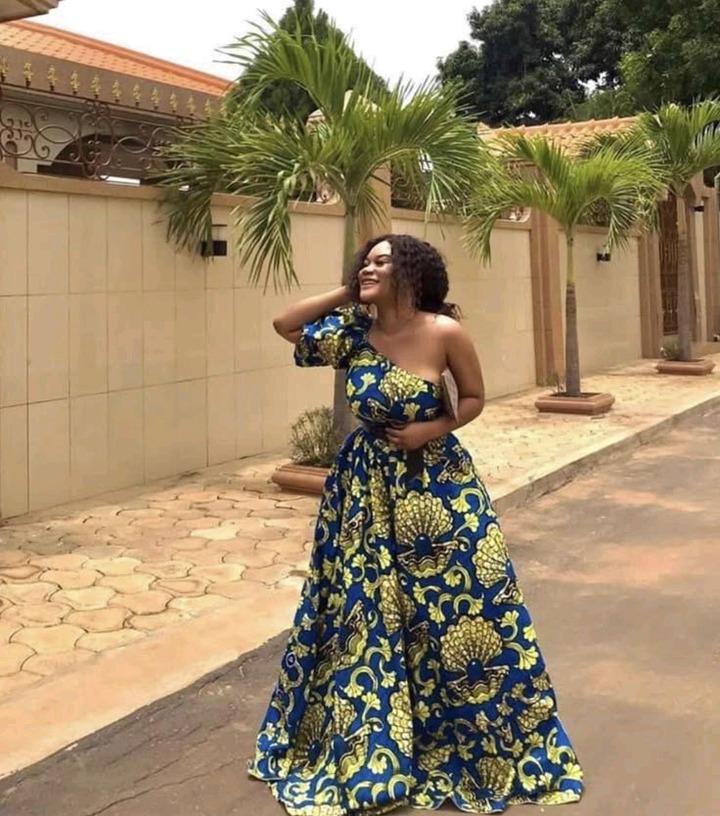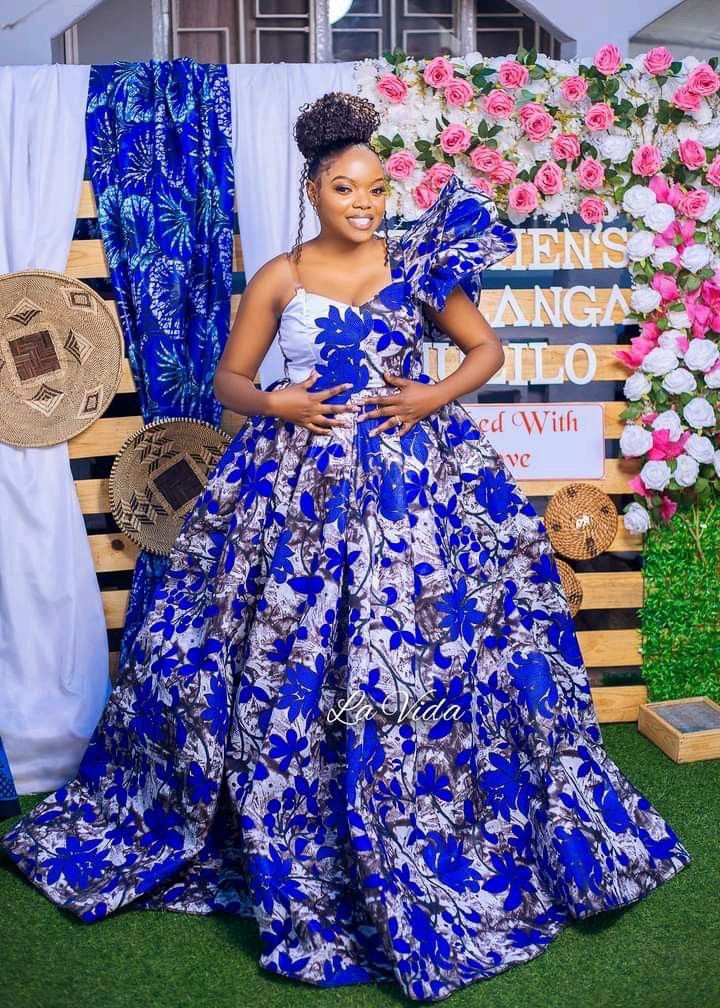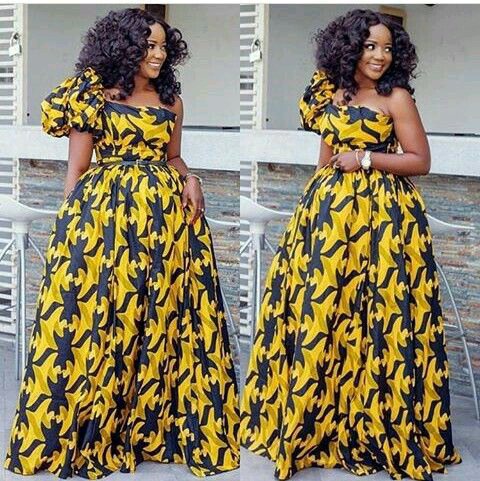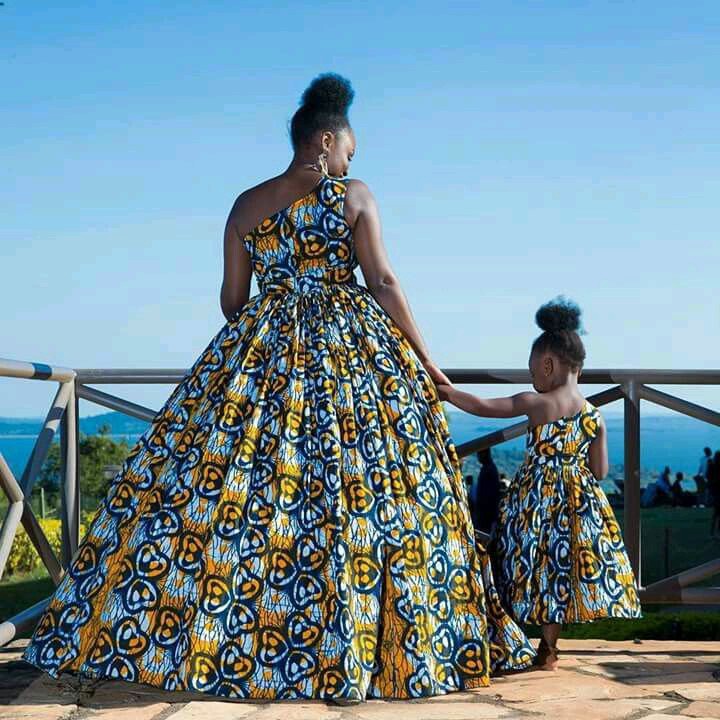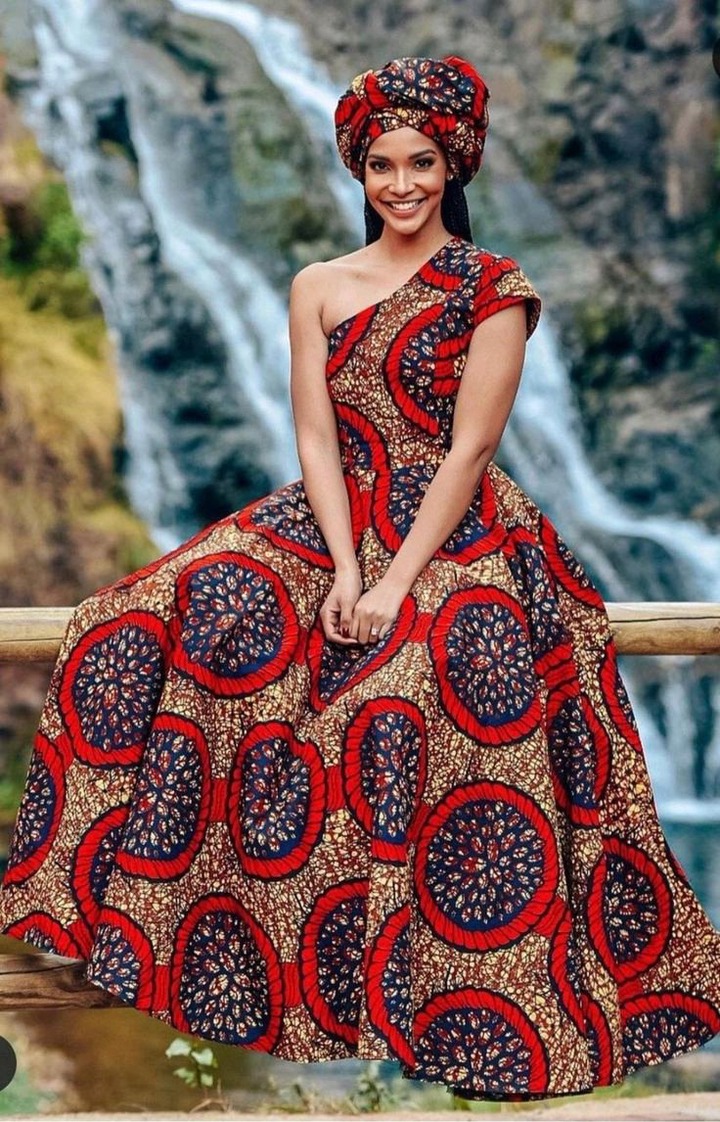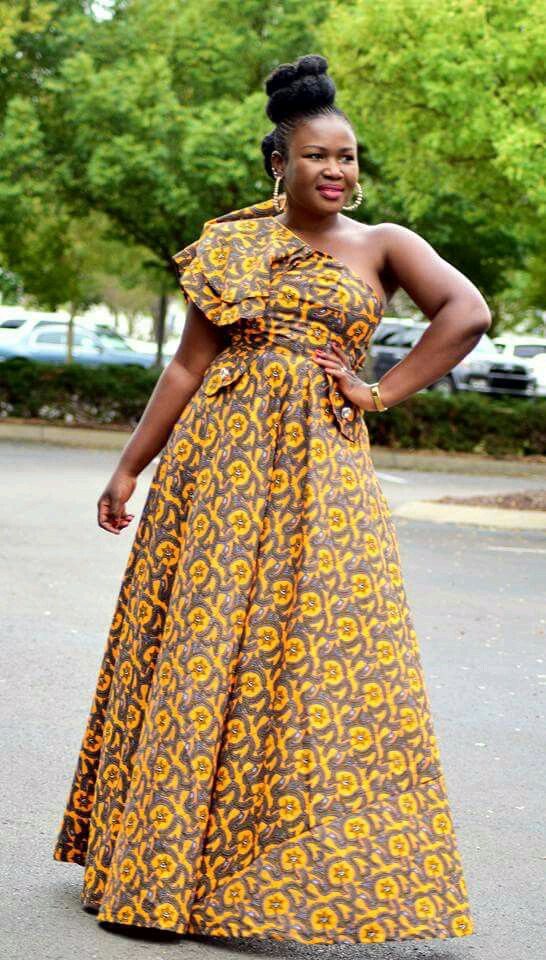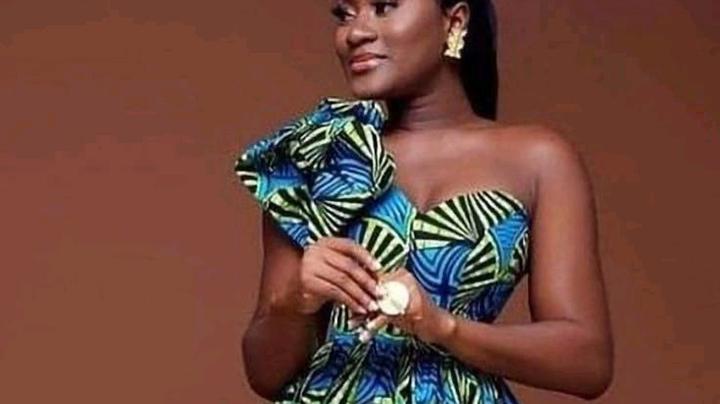

Fashion is a language of subtle storytelling, and few design elements speak as powerfully—or as elegantly—as the single shoulder silhouette. Timeless yet continually reinvented, this asymmetrical style has secured its place in the fashion canon for centuries. From ancient Grecian drapery to contemporary red-carpet statements, the single shoulder look embodies a balance of grace, boldness, and architectural intrigue.
Part of its enduring appeal lies in its ability to highlight the natural lines of the body. By exposing just one shoulder, designers create a focal point that feels both sensual and sophisticated. This flirtation with asymmetry draws the eye upward, elongating the neckline while framing the collarbone—an area often associated with quiet elegance. The result is a design that feels alluring without being overt, confident without being loud.
Another reason the single shoulder silhouette remains a favorite is its versatility. It effortlessly adapts to a wide range of styles and fabrics: fluid chiffon for ethereal evening gowns, sculpted crepe for modern bridal wear, or ribbed knits for casual daytime looks. It can be minimalistic or embellished, structured or soft, making it suitable for any occasion and any personal aesthetic. Designers frequently revisit this silhouette because it offers limitless opportunities for reinvention.
Culturally, the single shoulder has also become a symbol of empowerment. It suggests a woman in control—bold enough to embrace asymmetry, assured enough to stand out. Its dramatic line creates movement and presence, allowing the wearer to command attention as she enters a room.
Ultimately, the single shoulder silhouette endures because it captures the magic of contrast: covered and uncovered, classic and contemporary, simple and striking. It is a reminder that sometimes the most captivating statements in fashion are made not by excess, but by the artful reveal of just one elegant line.