


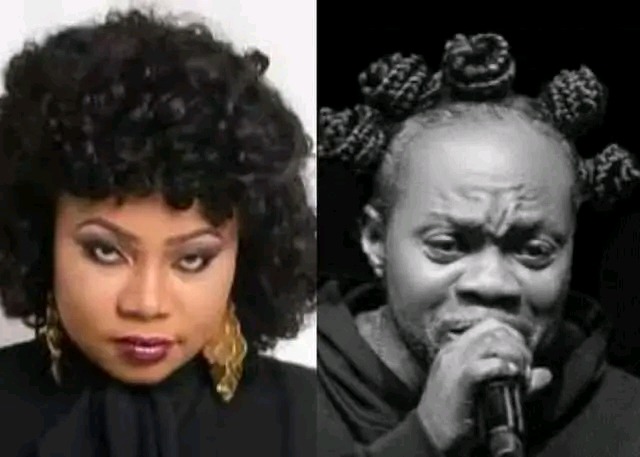
Sally Mann, a well-known media personality, has sparked outrage and controversy with her recent statement expressing happiness over the death of Ghanaian music legend Daddy Lumba.
In her statement, she said, “I am happy Daddy Lumba is dead, and I am happier he suffered before he died.” This statement has generated strong reactions from fans and the general public, with many expressing shock, anger, and disappointment.
The timing of Sally Mann’s statement has added to the controversy, with many questioning her sensitivity and empathy towards the late musician’s family, friends, and fans.
While some have defended her right to express her opinion, others have condemned her statement as insensitive, hurtful, and unprofessional. The debate has sparked a wider conversation about the boundaries of free speech and the way we discuss public figures, especially after their passing.
Daddy Lumba was a highly respected musician who made significant contributions to Ghanaian music, particularly in the highlife genre. His music career spanned decades, and he was celebrated for his unique style and hit songs.
The news of his passing was met with an outpouring of tributes and condolences from fans, fellow musicians, and the general public, highlighting the impact he had on the music industry and his fans.
As the controversy surrounding Sally Mann’s statement continues to unfold, it has also raised important questions about the way we engage with and discuss public figures, and the impact our words can have on others.
While opinions about Daddy Lumba’s music and legacy may vary, many are emphasizing the importance of treating others with respect and empathy, even in the face of disagreement or difference.
See some of the reactions from Ghanaians below.

Source: https://www.facebook.com/100067674767499/posts/pfbid0jdySPwAW1Jmg3jUi1q45rGbkEa7SF9RDGHTcZrTTEZHATGLqN719tyJo7TAe1Yv6l/?app=fbl