

Bribery in Ghana is on the decline, but informal payments continue to impose significant costs on businesses.
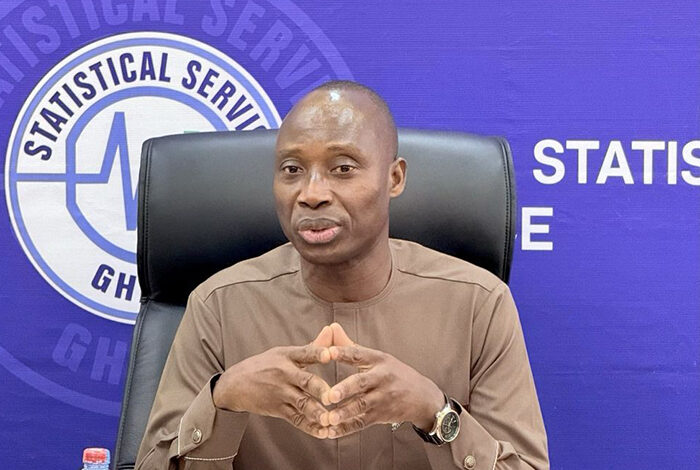
According to the Ghana Statistical Service’s Governance Series Wave 2, direct bribery dropped from 18.4% to 14.3%, while voluntary or appreciation payments nearly doubled to 32.9%. Requests for unofficial payments from public officials also fell sharply, from 51.3% to 38.6%.
For the private sector, the data presents a mixed outlook. While the likelihood of being explicitly asked for a bribe appears to be falling, businesses continue to face informal expectations that services will move faster or more smoothly if “something small” is offered.
These payments—often modest, with more than half below GH¢100—remain frequent and recurring. They typically occur in areas where businesses interact most with state agencies: licensing, inspections, utility services, and other administrative processes.
As a result, firms still face hidden costs in routine compliance, even when overt bribery is not involved.
The report notes that such informal transactions undermine predictability in service delivery. Because these payments are discretionary and unofficial, businesses struggle to anticipate how long approvals will take or how consistent administrative processes will be.
This can lead to delays, inconsistent standards, and opaque operational costs. Although each payment may be small, their cumulative impact—especially for firms engaging regularly with regulators—is substantial.
The rise in voluntary payments therefore reflects not only a cultural shift but also a persistent economic burden on the private sector.
Cabinet approves Public Tribunals Bill to fast-track galamsey prosecutions