


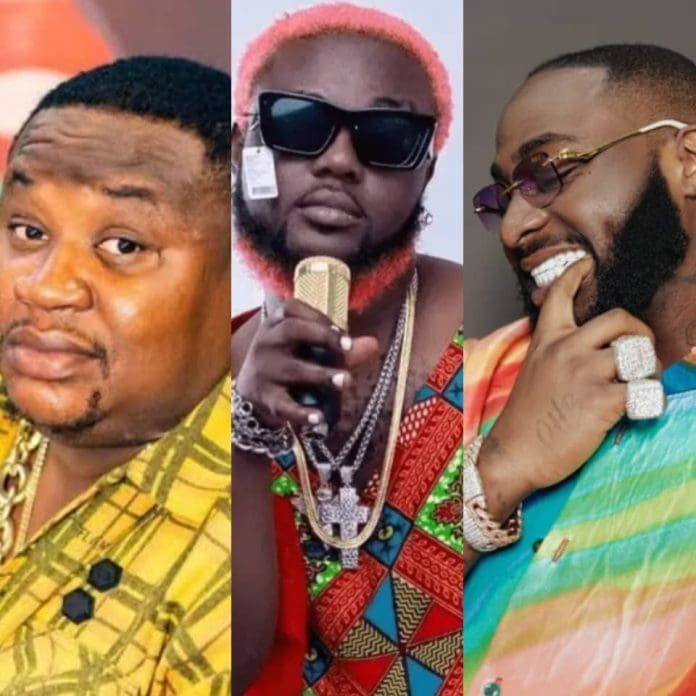
Ghanaian entertainer DJ Azonto has announced plans to pursue formal legal action against Nigerian superstar Davido and socialite Chief Cubana through Nigerian authorities, claiming unauthorized use of his signature term “Attassa” during their recent activities in Ghana.
The CEO of DJ Azonto Microfinance expressed frustration that the Nigerian celebrities allegedly adopted his trending catchphrase without consultation, prompting him to seek legal recourse following advice from his legal team. The dispute highlights growing tensions over intellectual property rights within West Africa’s entertainment industry.
DJ Azonto’s announcement comes amid Davido’s current vacation in Ghana with his 30 Billion Gang entourage, during which the Nigerian artist and his associates reportedly incorporated the “Attassa” term into their social media presence and public appearances. The Ghanaian musician characterizes this usage as unauthorized appropriation of his creative property.
The controversy reflects broader challenges facing African artists regarding protection of creative intellectual property across national boundaries. DJ Azonto has previously established multiple signature phrases including “Fa No Fom,” “Ala Woyo,” and “Azonto A Confirmie,” suggesting a pattern of creating distinctive catchphrases that become part of his artistic identity.
Legal experts note that trademark and slogan protection cases involving entertainment figures across different African jurisdictions present complex challenges. The success of such claims typically depends on documented usage, registration status, and the specific legal frameworks governing intellectual property in relevant countries.
DJ Azonto’s strategy of pursuing action through Nigerian authorities rather than Ghanaian courts appears designed to address the alleged infringement where it occurred. This approach could establish important precedents for cross-border entertainment industry disputes within the West African region.
The entertainer indicated that only intervention from Osun State Governor Ademola Adeleke, who is Davido’s uncle, could potentially resolve the dispute outside formal legal proceedings. His suggested resolution involves substantial compensation and private aviation arrangements, though the feasibility of such terms remains questionable.
This dispute emerges during a period when DJ Azonto has actively defended his creative properties, recently threatening legal action against other prominent Ghanaian artists including Sarkodie over potential unauthorized use of his slogans. The pattern suggests systematic efforts to establish and protect intellectual property claims within Ghana’s entertainment sector.
The timing coincides with increased collaboration between Ghanaian and Nigerian entertainment figures, creating more opportunities for cross-cultural creative exchange while potentially generating more disputes over creative ownership and attribution rights.
Industry observers note that such high-profile disputes could influence how West African entertainers approach collaborative projects and creative borrowing across national boundaries. The outcome may establish important precedents for regional entertainment industry intellectual property practices.
For Ghana’s creative sector, the case represents broader questions about protecting domestic cultural innovations from unauthorized appropriation by better-resourced international artists. DJ Azonto’s willingness to pursue formal legal action demonstrates growing assertiveness among Ghanaian entertainers regarding creative rights protection.
The entertainment industry dispute occurs against the backdrop of strengthening cultural and economic ties between Ghana and Nigeria, where creative collaboration increasingly generates both opportunities and potential conflicts over creative ownership and attribution.
Legal proceedings, if initiated, could provide clarity on enforcement mechanisms for entertainment industry intellectual property claims across West African jurisdictions. The case may influence future cross-border creative collaboration frameworks within the region’s expanding entertainment sector.
Stream his #Attassa song from below