
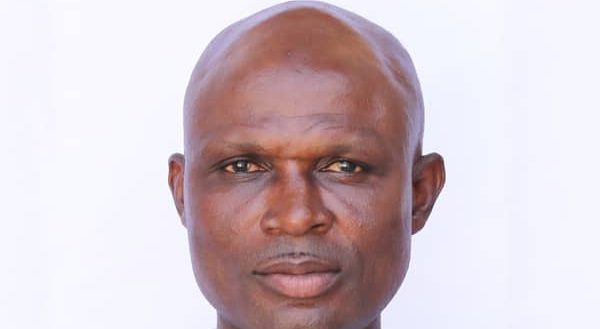

By Daniel Agbesi Latsu
Kadjebi (O/R), July 15, GNA-Mr. Frank Adjei-Worlanyo, the Communications Officer for the New Patriotic Party (NPP) in the Akan Constituency, has strongly criticised the recent chaotic events during the Ablekuma North parliamentary rerun held on July 11.
In an interview with the Ghana News Agency (GNA), he described the turmoil as a serious threat to Ghana’s democracy, likening it to a siege.
The rerun, necessitated by a legal dispute in the constituency, related to the 2024 parliamentary elections, quickly devolved into scenes of violence and intimidation, of which Mr. Adjei-Worlanyo described as “institutional failure”.
He expressed concern that this deterioration in the electoral process reflects a deepening vulnerability to political thuggery and the potential for democratic backsliding in the country.
This incidence, he said, if not addressed decisively, could threaten to erode public trust in democratic institutions and plant seeds of widespread instability.
Mr. Adjei-Worlanyo pointed out that the events at Ablekuma North echoed previous violent episodes in Ghana’s democratic history, raising alarms about the need for decisive action to prevent further erosion of public trust in democratic institutions.
He warned that unless these issues are addressed, they could instigate widespread instability and undermine the foundations of Ghana’s democracy.
The chaotic environment during the rerun serves as a stark reminder of the challenges facing the country’s political and security frameworks, prompting urgent calls for reforms and greater accountability to safeguard the integrity of electoral processes.
Mr. Adjei-Worlanyo emphasised that the ongoing incidents of electoral violence and vandalism during elections-including general elections, by-elections, and other electoral events-pose a significant threat to Ghana’s democratic framework, which has garnered the country a reputation as a beacon of democracy.
He noted that Ghana’s image is largely built on the peaceful transitions achieved through four consecutive elections.
He stressed that the chaos witnessed in Ablekuma North is more than a singular instance of electoral misbehaviour, saying “it represents a fundamental threat to the very foundations of Ghana’s democracy.”
Election integrity, he argued, requires not just the act of voting but ensuring that elections are conducted fairly, safely, and credibly, allowing citizens to participate without fear.
Mr. Adjei-Worlanyo warned that when violence is used as a mechanism for gaining electoral advantage, it undermines the legitimacy of election outcomes and fosters cynicism among voters, particularly the youth and first-time voters.
This trend, if allowed to persist, risks normalizing electoral violence, potentially disenfranchising key demographics such as women, youth, and vulnerable populations ahead of future elections-especially the upcoming 2028 general elections.
He highlighted that diminished confidence in the Electoral Commission and security agencies could drive political parties to take actions that might trigger retaliatory violence in subsequent elections, leading to cycles of instability.
Such a scenario threatens to damage the democratic ideals that Ghanaians hold dear, ultimately endangering the very democracy that the nation has worked hard to build and maintain.
Mr. Adjei-Worlanyo emphasised the critical importance of upholding the integrity of Ghana’s democratic processes considering recent violence during the Ablekuma North rerun.
He warned that if citizens lose faith in the electoral system, believing that “ballots no longer matter”, the democratic foundation of the country could be at risk.
He called for strong action against the perpetrators of the violence, urging that justice must not only be pursued but demonstrated, to prevent a recurrence of such chaos.
As the Communications Officer pointed out, Ghana has made significant strides in its democratic journey, and it cannot allow the actions of a few to derail this progress.
He posed a challenge to all stakeholders, and asked: “Will we act now, or will we wait until it’s too late?
“This stark query reflects the urgency of the situation and the need for immediate, decisive action to protect and strengthen Ghana’s democracy.”
GNA
Edited by: Maxwell Awumah/Benjamin Mensah