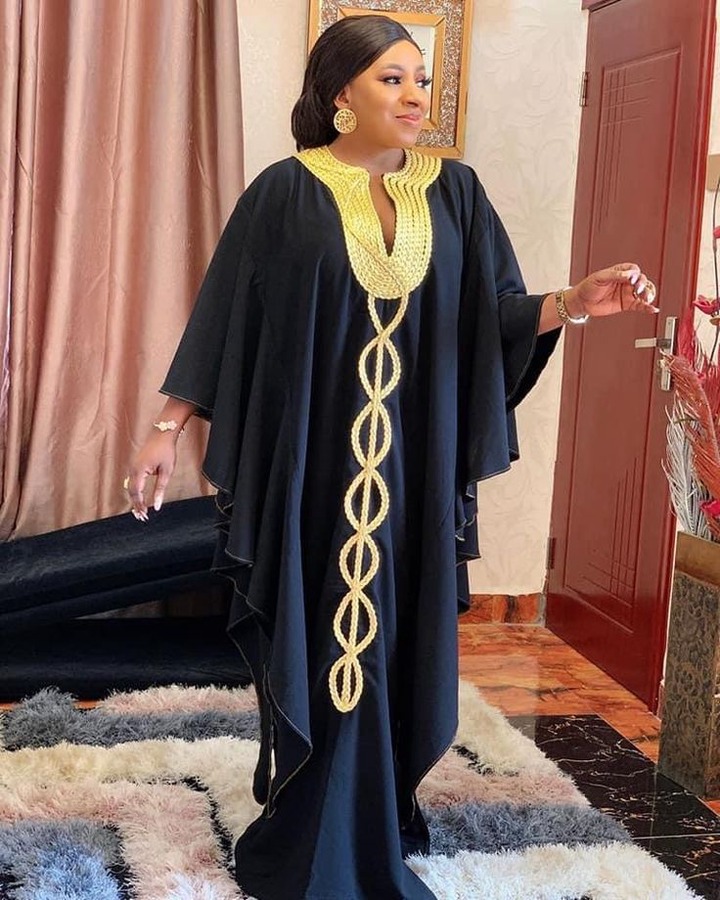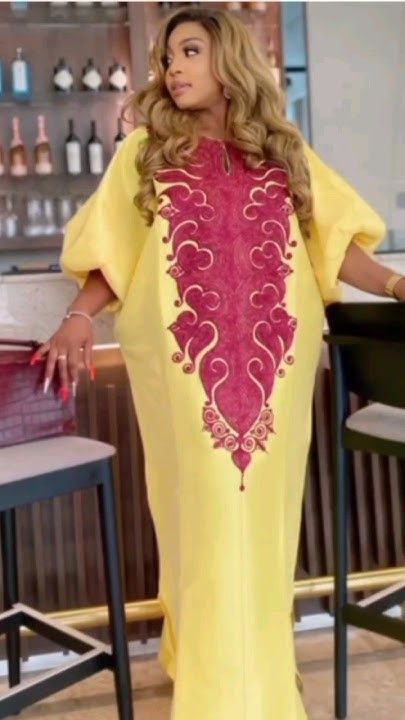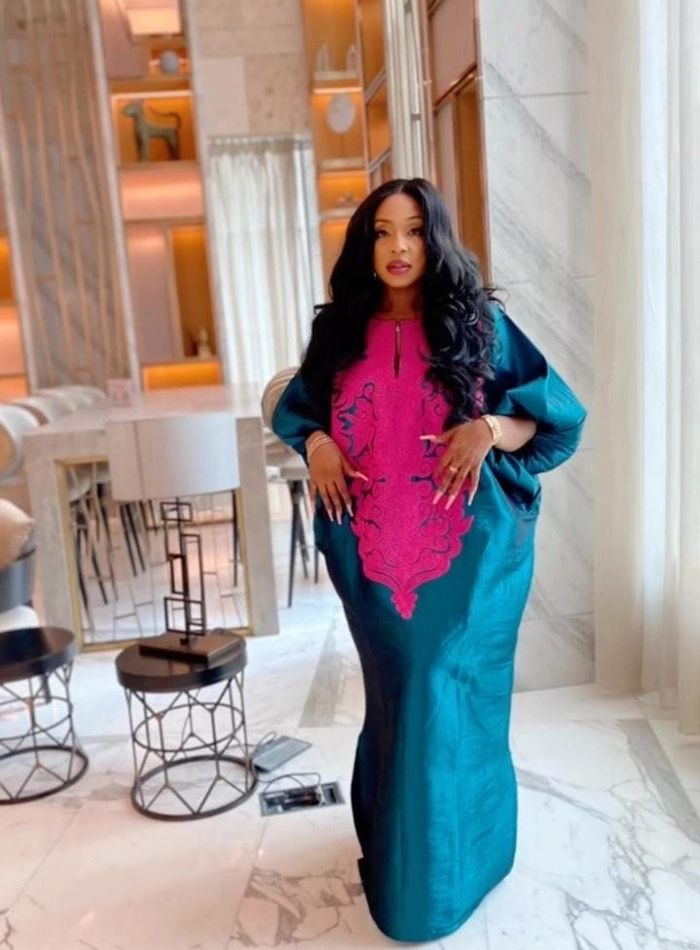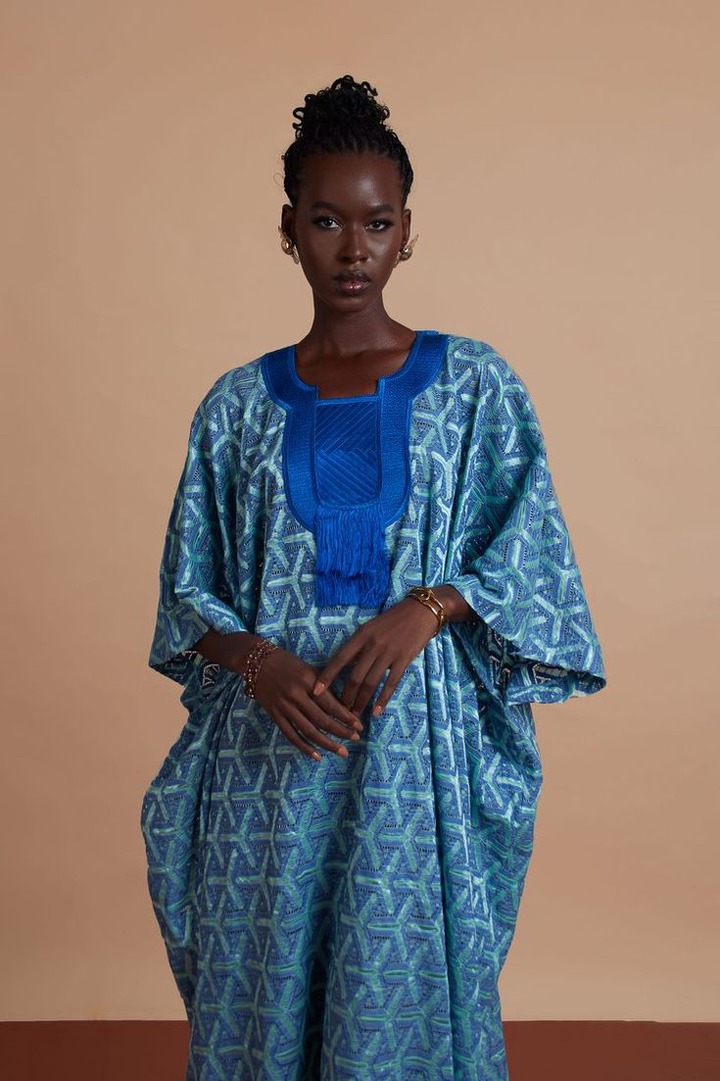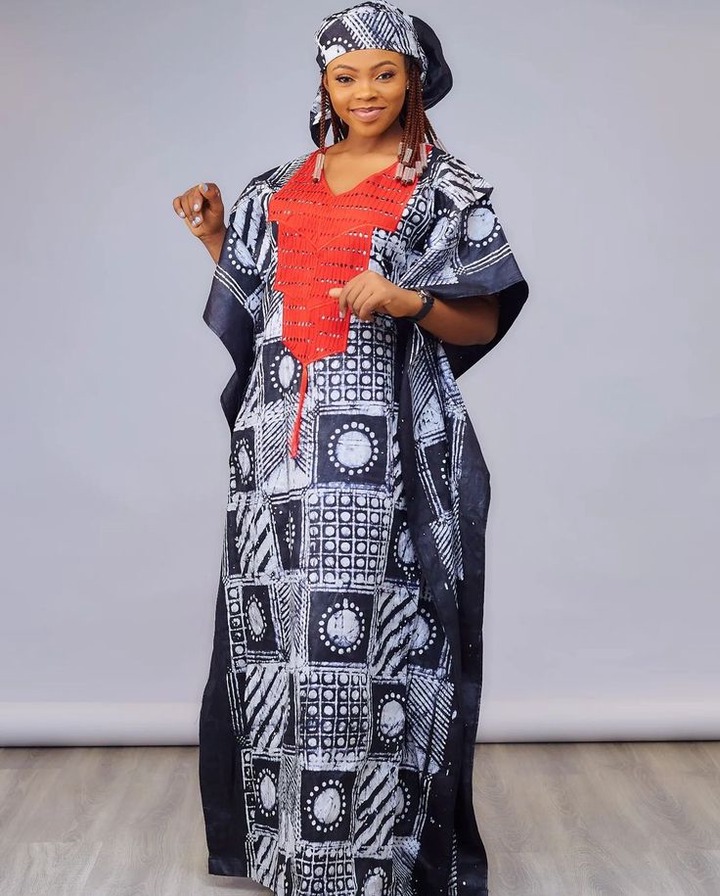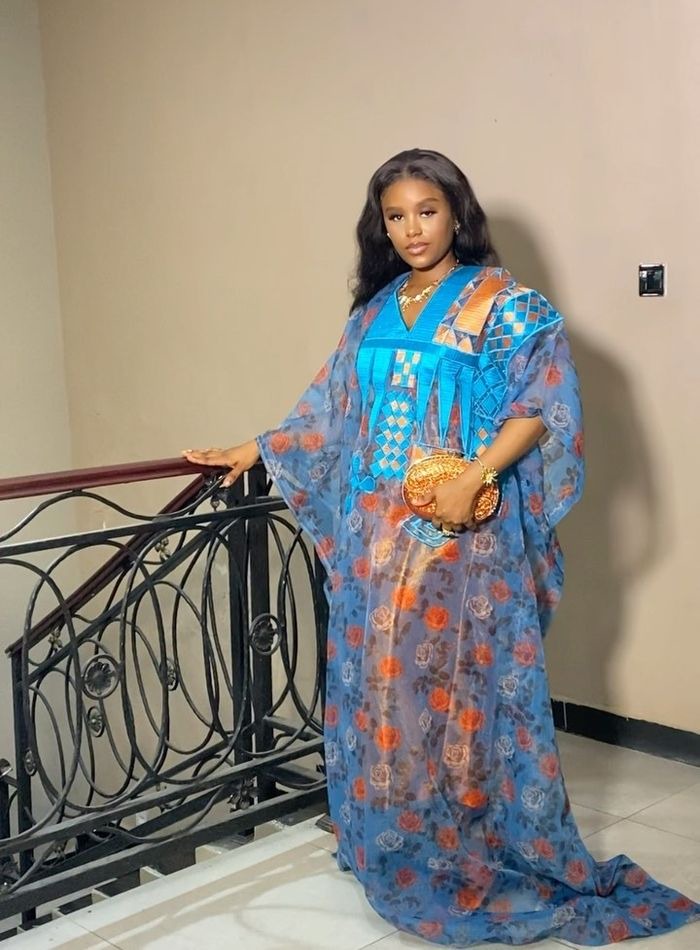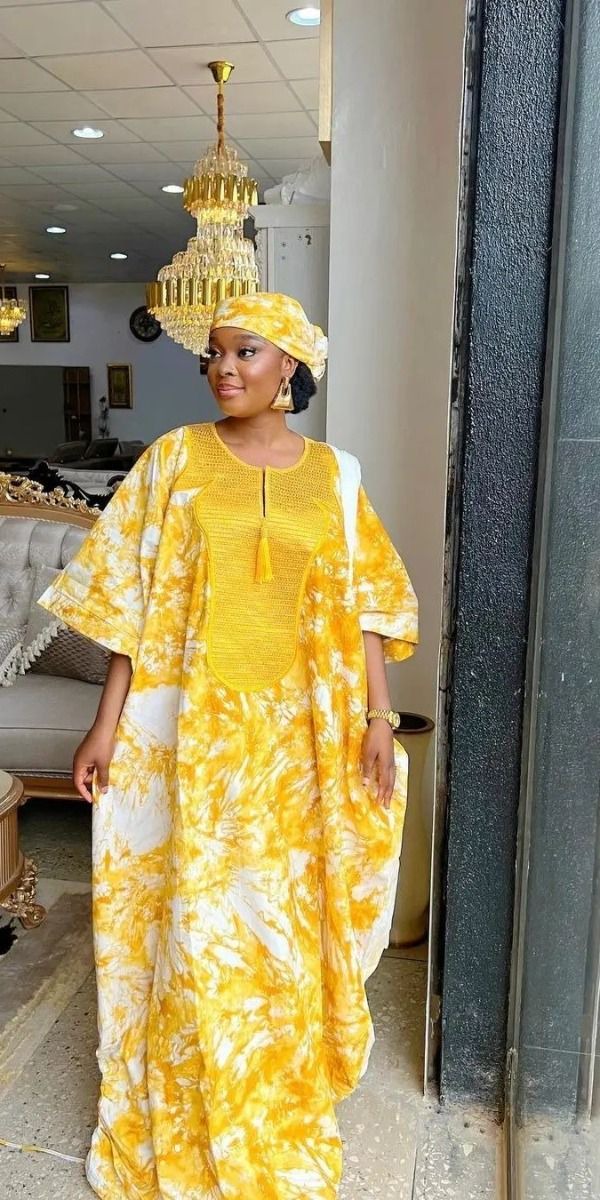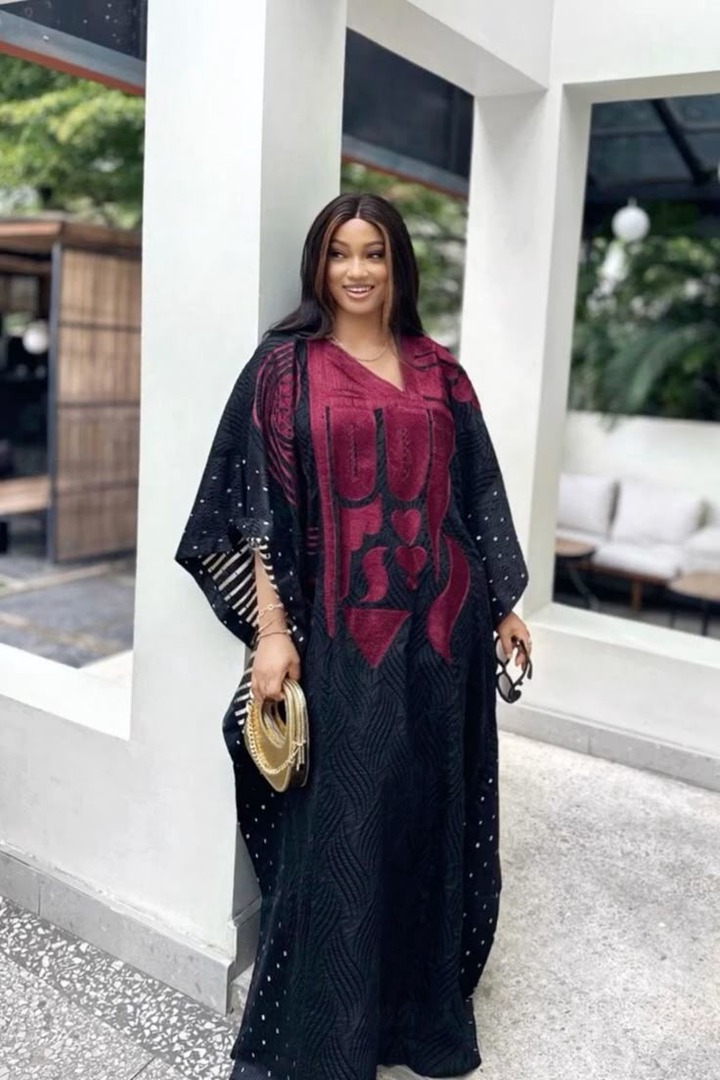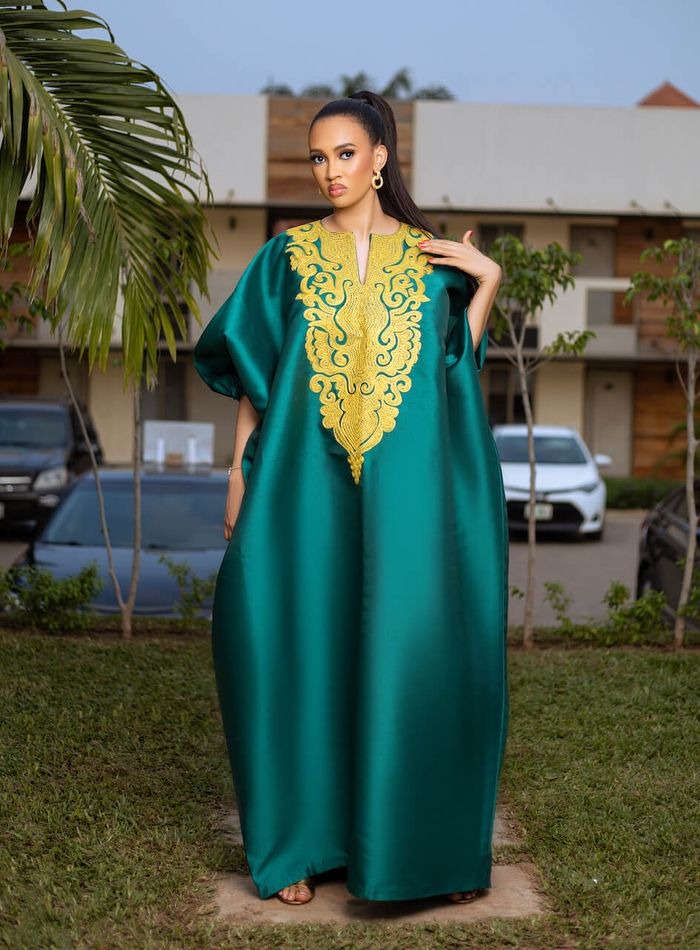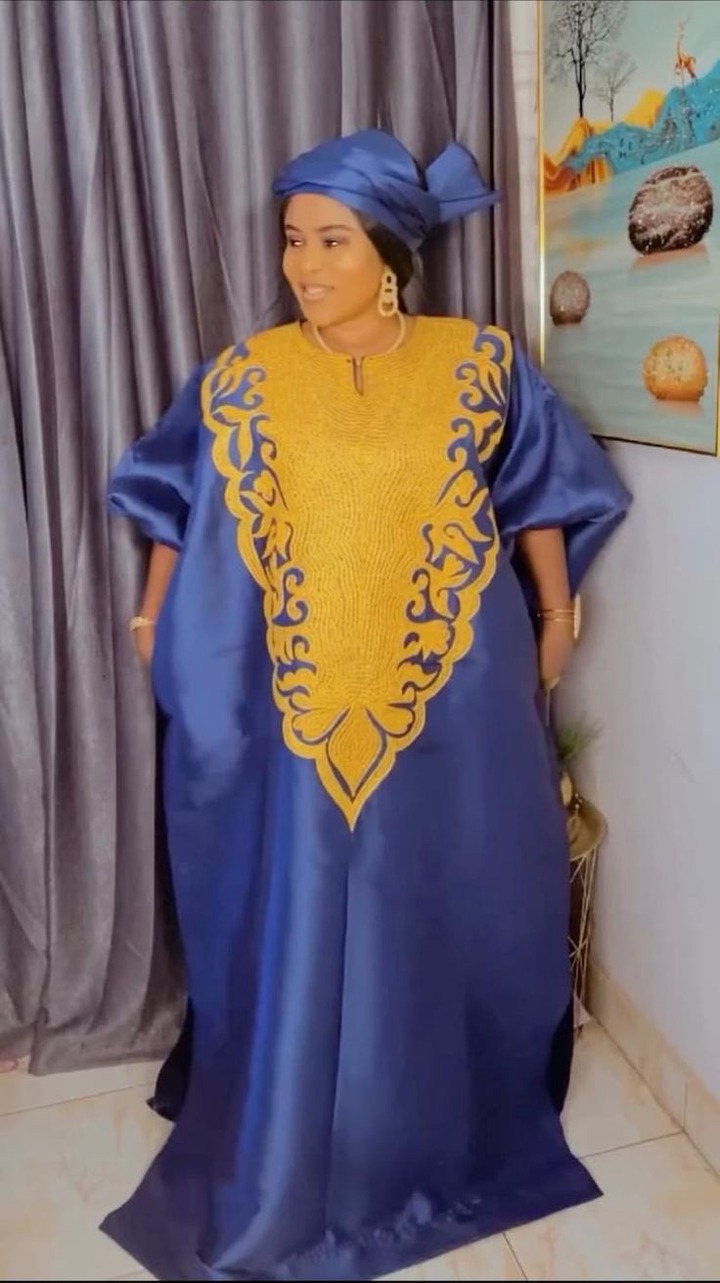
The bubu gown, a staple of African fashion, holds a special place in the wardrobes of many women, especially mothers, often affectionately referred to as “mummies.” Known for its flowing silhouette, graceful drape, and comfortable fit, the bubu gown combines tradition with practicality—making it an ideal choice for women who balance elegance with everyday responsibilities.
Traditionally worn across West African countries, the bubu gown is a long, loose-fitting garment that allows freedom of movement while maintaining a regal and dignified look. For mothers, particularly older women or matriarchs in families, the bubu gown offers both comfort and cultural pride. It is often crafted from rich fabrics such as cotton, silk, brocade, or Ankara and adorned with beautiful embroidery, lace, or beadwork to enhance its beauty and significance.
What makes the bubu gown especially popular among mummies is its adaptability. It can be worn casually at home, during family gatherings, or at religious events. For more formal occasions like weddings, naming ceremonies, or church services, the bubu gown can be elevated with more elaborate designs, vibrant colors, and luxurious accessories. Its forgiving shape is perfect for all body types, providing both style and modesty.
Modern designers continue to reinvent the bubu gown, offering fresh styles that appeal to both older and younger generations. These contemporary versions might feature stylish necklines, layered sleeves, or even a mix of traditional and modern fabrics. Despite the changes, the bubu gown retains its essence—a symbol of dignity, femininity, and cultural heritage.
For mummies who cherish comfort without compromising on elegance, the bubu gown remains an iconic fashion choice. It represents not just style, but also the strength, wisdom, and grace of motherhood—a garment that tells a story of culture, legacy, and timeless beauty.