

Here’s a polished 250-word version of the article with improved grammar and clarity, including the original Facebook link
Krobea Kwabena Asante, a former presidential staffer under President Akufo-Addo, has attributed the recent appreciation of many global currencies, including the Ghanaian cedi, against the U.S. dollar to a decrease in U.S. interest rates. According to him, the cedi’s current stability is not due to exceptional fiscal or monetary management but rather external factors.

In a Facebook post on May 4, 2025, he stated:
“According to the Federal Reserve Bank, the U.S. gross domestic product shrank at an annual rate of -0.3%, despite projections of 0.8% growth in the first quarter of 2025. This represents the weakest economic performance since early 2022, during the post-COVID recovery period.”
He noted that the U.S. dollar has fallen by 9% against a basket of major currencies since mid-January, marking a three-year low and raising concerns about investor confidence in the U.S. economy.
As a policy response, the U.S. Federal Reserve has cut interest rates to reduce borrowing costs and stimulate investment. Asante explained that this decrease in U.S. interest rates, an exogenous variable in the interest rate parity model, directly affects global exchange rates.
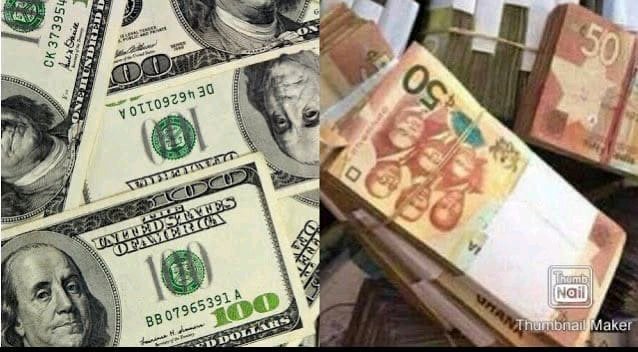

He concluded that the Ghana cedi’s recent strength is not due to any “superior magic” by policymakers but is rather the result of external economic dynamics, supported by Ghana’s foreign reserves of over $9 billion and 30.5 tonnes of gold holdings.
Source: https://www.facebook.com/share/p/16G9MLXq2P